Frequently Asked Questions About Mold Remediation in New Jersey
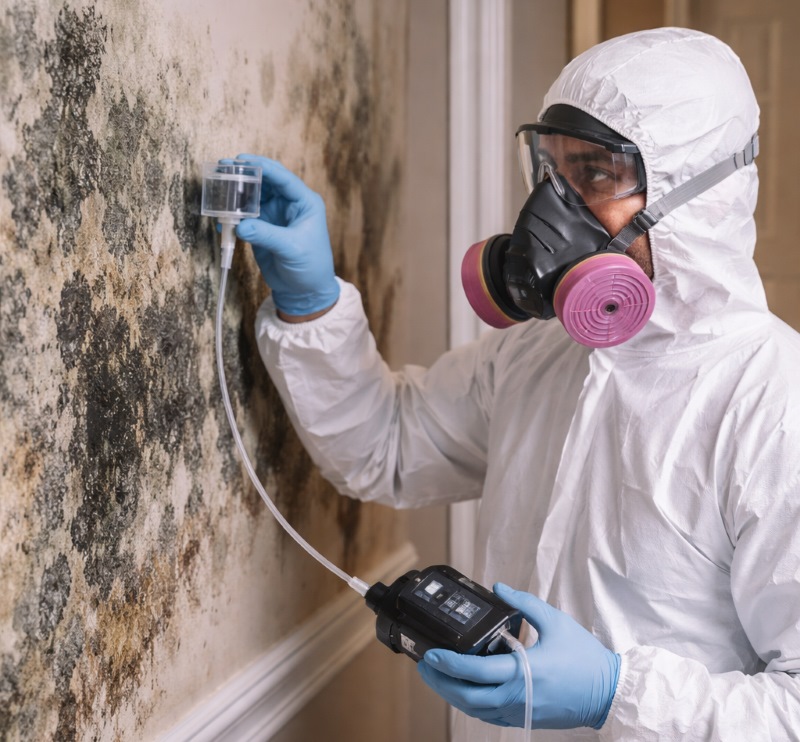
Frequently Asked Questions About Mold Remediation in New Jersey
If you're dealing with mold in your home or business, finding the right remediation company can make a major difference in how quickly and safely the problem gets resolved. Whether you need an inspection, a free quote, containment and removal, or guidance on insurance coverage, working with an experienced local team helps protect your property and your health.
This guide is for homeowners, tenants, landlords, and property managers who need reliable information about mold remediation in New Jersey. Below you'll find clear answers about cost, health effects, insurance coverage, prevention, and how to choose a qualified company.
What are the best mold remediation companies near me in New Jersey?
The best mold remediation companies in New Jersey are the ones with a documented track record, proper insurance, and clear communication throughout the process. Start by reviewing company websites, service areas, customer reviews, and whether they offer both inspection and remediation under one roof.
A strong company should explain the containment process, the timeline, and what happens after remediation to prevent regrowth. Choosing a local team that knows New Jersey's climate and common building types can also make the process faster and more accurate.
What are the common signs of hidden mold in a residential property?
Common signs of hidden mold include a persistent musty odor, unexplained allergy or respiratory symptoms at home, visible water stains or warping on walls and ceilings, and peeling paint or wallpaper. Mold can also grow behind walls, under flooring, or inside HVAC systems where it isn't immediately visible.
If you notice any of these signs, especially after a leak, flood, or high humidity, it's worth scheduling an inspection before the problem spreads further. Catching hidden mold early usually means a smaller, less expensive remediation project.
How much does professional mold remediation cost in New Jersey?
The cost of professional mold remediation in New Jersey depends on the size of the affected area, the extent of the damage, the materials involved, and whether repairs are needed after removal. Prices can also vary based on accessibility, such as mold behind walls or under flooring versus surface-level growth.
The most accurate way to get a price is to request a site-specific inspection and quote. A good estimate should clearly explain what's included, such as containment, removal, disposal, and any post-remediation testing.
How do I choose a qualified mold remediation company in New Jersey?
New Jersey does not currently require a dedicated state license specifically for mold remediation, so it's especially important to vet a company carefully. Look for a contractor registered as a Home Improvement Contractor with the New Jersey Division of Consumer Affairs, with valid insurance and workers' compensation coverage, and ideally a recognized mold remediation certification.
A qualified company should be transparent about their process, provide a written scope of work, and be able to explain how they'll verify the mold has been properly addressed before closing out the job.
Can I get a free mold inspection and quote in New Jersey?
Many mold remediation companies in New Jersey offer a free initial inspection and quote, especially for straightforward residential jobs. This allows the company to assess the extent of the problem and give you an accurate estimate before any work begins.
If a more detailed assessment is needed, such as air quality testing or sampling, that may come with an additional cost. It's worth asking upfront whether the initial visit is free and what it includes.
Is mold remediation covered by homeowners insurance in New Jersey?
Whether mold remediation is covered by homeowners insurance in New Jersey usually depends on the cause of the mold. Damage resulting from a sudden, covered event, like a burst pipe, is more likely to be covered, while mold caused by long-term neglect, humidity, or lack of maintenance is often excluded.
Every policy is different, so it's important to review your specific coverage and talk to your insurance provider before starting remediation. Some remediation companies can also help document the damage for a claim.
Can I remove mold myself or do I need a professional?
Small, isolated areas of surface mold on non-porous materials can sometimes be cleaned by a homeowner using proper protective equipment. However, larger infestations, mold in HVAC systems, or mold affecting porous materials like drywall and insulation typically require professional remediation to be removed safely and completely.
Attempting to clean extensive mold without proper containment can actually spread spores further into the home. When in doubt, a professional inspection can help you understand the scope of the problem before deciding how to proceed.
How long does mold remediation take?
Most residential mold remediation projects take anywhere from one to five days, depending on the size of the affected area and whether repairs are needed afterward. Larger or more complex jobs, such as those involving HVAC systems or structural damage, can take longer.
The company should be able to give you a realistic timeline after the initial inspection, including how long containment, removal, drying, and any necessary repairs will take.
What are the health effects of mold exposure?
Mold exposure can cause a range of symptoms, including nasal congestion, coughing, throat irritation, eye irritation, and skin irritation. People with asthma, allergies, or compromised immune systems may experience more severe reactions.
If you or someone in your home is experiencing ongoing respiratory symptoms without another clear cause, it's worth having the property inspected for mold, particularly in areas with past water damage or high humidity.
How do I prevent mold from coming back after remediation?
Preventing mold from returning starts with controlling moisture, since mold needs water to grow. This includes fixing leaks promptly, using a dehumidifier in damp areas like basements, ensuring proper ventilation in bathrooms and kitchens, and monitoring humidity levels throughout the home.
A good remediation company should also address the root cause of the mold, not just the visible growth, so the same conditions don't lead to a repeat problem.
What is the difference between mold remediation and mold removal?
Mold remediation refers to the full process of identifying the mold source, containing the affected area, safely removing the mold, and addressing the underlying moisture problem to prevent regrowth. Mold removal typically refers specifically to the physical removal of mold from surfaces.
In practice, "remediation" is the more accurate term for professional work, since complete mold removal isn't always possible or necessary. Remediation focuses on reducing mold to safe, normal levels and fixing the conditions that allowed it to grow.
Do I need to leave my house during mold remediation?
Whether you need to leave your house during mold remediation depends on the size of the affected area and which rooms are involved. Small, contained jobs often allow residents to stay, while larger projects, especially those affecting HVAC systems or common living areas, may require temporary relocation for safety.
The remediation company should walk you through containment measures and let you know in advance whether it's safe to remain in the home during the work.
Contact and booking
EMP Contracting is ready to help with mold inspection and remediation services across New Jersey. Contact us today for professional guidance, fast scheduling, and safe compliance support for your property. EMP Contracting is ready to help with mold remediation services across New Jersey. Contact us today to get started: Call now, Send WhatsApp, or visit our website.